Building an Aggressive Growth Portfolio

Picking an Investment Strategy: Aggressive Growth
An aggressive growth portfolio can be an exciting topic to explore. It is often considered an enticing, albeit high-stakes, game piece in the extensive chessboard of the financial markets. An aggressive growth portfolio is a collection of high-risk investments that focuses on capital appreciation as its primary asset acquisition priority. They aren't for the faint-hearted or the risk-averse; aggressive growth portfolios require an investor to have a high propensity for risk.
Aggressive growth portfolios are built around a stern concentration on high-return potential equities or assets to spur investment returns. However, this potential for high returns does not come without strings attached.
Volatility is the prevalent reality within aggressive growth portfolios. These assets are often tied to industries or sectors primed for substantial growth or influenced by macroeconomic factors like technology or energy markets, so their performance can swing wildly.

A young, income-earning investor is typically who would have building an aggressive growth portfolio as one of their investment goals. One with a long investment horizon allows them to endure possible short-term volatility in expectation of substantial long-term earnings. Aggressive growth portfolios are recommended for investors tolerant of significant uncertainties.
4 Ways to Build an Aggressive Growth Portfolio
Growth Index Funds
An index fund is the cornerstone of many investment portfolios. An index fund is a type of mutual fund or exchange-traded fund (ETF) that is designed to follow certain preset rules so that the fund can track a specified basket of underlying investments. These funds constitute a diversified mix of different securities, reducing volatility and risk and allowing investors to participate in market gains.
Leveraged EFTs: High-Risk, High-Reward Investing
Leveraged ETFs, otherwise known as exchange-traded funds, furnish an opportunity for investors to increase the exposure and potential returns of an investment without the need to pump in more capital. Essentially, leveraged ETFs employ financial derivatives and debt to amplify the returns of an underlying index.
Understanding how leveraged ETFs work requires some familiarity with the foundational principles of investing. Notably, these ETFs respond to daily market changes, essentially multiplying the daily performance of the underlying asset. For instance, a 2x leveraged ETF strives to provide double the return of the base index on a single trading day.
Astute investors seeking long-term investment growth may find leveraged ETFs to be a compelling proposition. Its allure rests on the potential for substantial earnings given a positive turn in market conditions without the prerequisite of equivalent capital. Nonetheless, it's equally imperative to be mindful about potential downside risk, as losses also magnify in poor market conditions.
Now, applying these concepts, let’s look at an example from the energy sector, the ProShares Ultra Bloomberg Crude Oil (UCO). This fund seeks daily investment results, before fees and expenses, that correspond to two times (2x) the daily performance of the Bloomberg Commodity Balanced WTI Crude Oil IndexSM.
The fund seeks to meet its investment objective by investing, under normal market conditions, in any one of, or combinations of, Financial Instruments (including swap agreements, futures contracts, forward contracts, and option contracts) based on WTI sweet, light crude oil. It does not invest directly in oil.
To summarize, while the prospect of higher returns makes leveraged ETFs an intriguing prospect for many investors, the potential for exacerbated losses underscores the need for a thorough understanding of this instrument. As always, astute asset allocation, risk analysis, and diligent market tracking should inform investment decisions involving leveraged ETFs.
Aggressive Growth EFTs
Aggressive growth ETFs, while similar to high-risk, high-reward ETFs, tend to hold concentrated positions in sectors prone to rapid growth - think of investing in technology, consumer discretionary, and biotech. Exposure to these sectors through an ETF provides a basket of growth-oriented securities, reducing the risk compared to investing in individual stocks while still maintaining the potential for superior returns.
One example of this type of growth-focused ETF is the Vanguard Growth Index Fund ETF (VUG). As the name implies, the fund seeks to track the performance of the CRSP US Large Cap Growth Index that measures the investment return of large-capitalization growth stocks.
This ETF employs an indexing investment approach designed to track the performance of the index, a broadly diversified index predominantly made up of growth stocks of large U.S. companies. VUG hopes to achieve this high capital growth by investing in large capitalization growth stocks known for their earnings growth or revenue generation.
A fund like this usually has in its crosshairs companies in the technology and consumer services sectors, churning out an attractive long-term growth potential that aligns with the aggressive investment philosophy.
Vanguard managers attempt to replicate the target index by investing all, or substantially all, of its assets in the stocks that make up the index, holding each stock in approximately the same proportion as its weighting in the index.
Evidently, Vanguard has etched its mark in the industry for its economical price point and high return potential, making it a judicious choice for growth-focused investors.
Moreover, the company also offers a range of other investment options to complement a client's aggressive growth investment strategy, like sector-specific ETFs or international ETFs. However, an aggressive investment strategy isn't without its potential pitfalls.
High Growth Mutual Funds
First, let's touch on the instrumentality of aggressive growth mutual funds by shifting gears. These types of mutual funds endeavor to achieve remarkable capital growth over time.
They have a role to play in aggressive growth portfolio allocation as they hold multiple stocks in rapidly expanding market sectors. Technology and biotech sectors are standard inclusions in most aggressive growth mutual funds due to their potential for significant capital growth.
However, the inherent risks of these funds align with those of aggressive growth portfolios – high volatility and potential for substantial losses. Sample aggressive growth portfolios may differ across investor profiles.
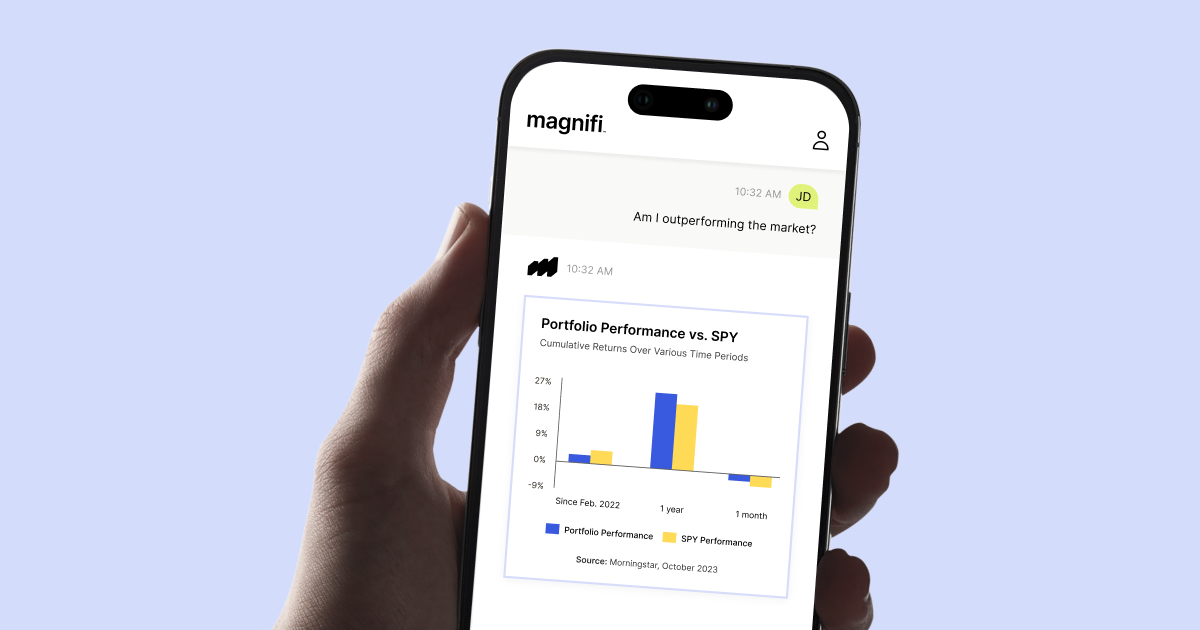
Still, they generally contain the elements of high-risk equities, mutual funds, speculative assets, and an allocation pattern skewed towards sectors pegged for impressive expansion. They aim to grab a piece of the growth pie as those sectors surge, realizing monumental capital gains in the process.
Moreover, when one casts their gaze towards the optimal aggressive growth portfolio allocation, the bulk of the portfolio consists of equities from high-growth sectors, typically those breaking new grounds in technological advancements, as well as biotech, clean energy, and high consumer growth industries.
The appeal in allocating assets towards these burgeoning sectors lies in their ability to generate monumental returns, albeit accompanied by risks.
Lastly, finding the best aggressive growth mutual funds to include in your portfolio can be dependent on several factors. Net Asset Value (NAV), performance track records, and underlying investment philosophy of the fund managers are key considerations.
In recent years, funds with a solid weighting on technology and green energy stocks have outperformed their peers, offering notable returns to the high-risk-tolerant investor.
Starting Your Aggressive Growth Portfolio
When it comes to gearing an investment portfolio towards aggressive growth, it's vital first to understand what this concept entails before you attempt accomplishment of this investment goal. An aggressive growth portfolio involves the strategic urge towards high-risk investments that have the potential for high returns.
It's a bullish style of investing coveted by those investors with a high-risk tolerance and a long-term investment horizon. These investors anticipate substantial capital appreciation and are usually less concerned with short-term volatility.
Investors crafting an aggressive growth portfolio often prefer investment vehicles like Exchange Traded Funds (ETFs) and mutual funds. ETFs function like stocks, traded on an exchange throughout the trading day, while mutual funds trade at the end of the trading day at the net asset value price.
An aggressive ETF portfolio conglomerates a collection of aggressive assets and offers quick and total access to specific sectors. Their inherent diversification infrastructure significantly diminishes the investment risks associated with purchasing individual securities and is, hence, an exciting option for investors.
As always, with higher anticipated returns come proportionally higher risks. Therefore, tempering this approach with judicious risk management practices is crucial. This could encompass tactics like diversification, periodic rebalancing of the portfolio based on market conditions, and safer investment inclusions like bonds and value stocks to strike a balance between growth and stability.
Finally, it's imperative for investors to remember that while an aggressive growth investing strategy can be compelling, it might not suit every player. Factors such as one's risk tolerance, investment horizon, and financial goals dictate the preferred investment tempo. Therefore, thorough research, consultation with financial advisors, and a holistic appraisal of investment options can guide investors toward the most befitting vehicle for their aggressive growth portfolio.
How Magnifi Can Help You Build Your Aggressive Growth Portfolio
Using an AI investing co-pilot like Magnifi has its benefits. One of the most common among Magnifi users is to assist with their portfolio construction. In the case of an investor seeking above average returns, they would simply explore portfolio construction and discover a basket of investments personalized just for them.
Say they were looking to construct a portfolio of tech stocks across emerging markets, say investing in India and the emerging market growth taking place there right now, your co-pilot will suggest some options that meet this criteria and from there, they can decide whether or not to invest in these stocks.
Disclosures:
The information and data are as of November 28, 2023, unless otherwise noted and subject to change. This blog is sponsored by Magnifi.
This material is provided for informational purposes only and should not be construed as individualized investment advice or an offer or solicitation to buy or sell securities tailored to your needs. This information covers investment and market activity, industry, or sector trends, or other broad-based economic or market conditions and should not be construed as investment research or advice. Investors are urged to consult with their financial advisors before buying or selling any securities. Although certain information has been obtained from sources believed to be reliable, we do not guarantee its accuracy, completeness, or fairness. Past performance is no guarantee of future results. This content may not be reproduced or distributed to any person in whole or in part without the prior written consent of Magnifi. As a technology company, Magnifi provides access to tools and will be compensated for providing such access. Magnifi does not provide broker-dealer or custodial services.
Mutual Funds and Exchange Traded Funds (ETF’s) are sold by prospectus. Please consider the investment objectives, risks, charges, and expenses carefully before investing. The prospectus, which contains this and other information about the investment company, can be obtained from the Fund Company or your financial professional. Be sure to read the prospectus carefully before deciding whether to invest.
Neither Asset Allocation nor Diversification guarantee a profit or protect against a loss in a declining market. They are methods used to help manage investment risk.
A leveraged exchange-traded fund (ETF) uses financial derivatives and debt to amplify the returns of an underlying index. Leveraged ETFs are available for most indexes, such as the Nasdaq-100 and the Dow Jones Industrial Average. These funds aim to keep a constant amount of leverage during the investment time frame, such as a 2:1 or 3:1 ratio. A leveraged fund with a 2:1 ratio means that each dollar of investor capital used is matched with an additional dollar of invested debt. If one day the underlying index returns 1%, the fund will theoretically return 2%. The 2:1 ratio works in the opposite direction as well. If the index drops 1%, your loss would then be 2%.The 2% return is theoretical, as management fees and transaction costs reduce the full effects of leverage.
Rebalancing/Reallocating can entail transaction costs and tax consequences that should be considered when determining a rebalancing/reallocation strategy.