Your Guide to Investing in Precious Metals
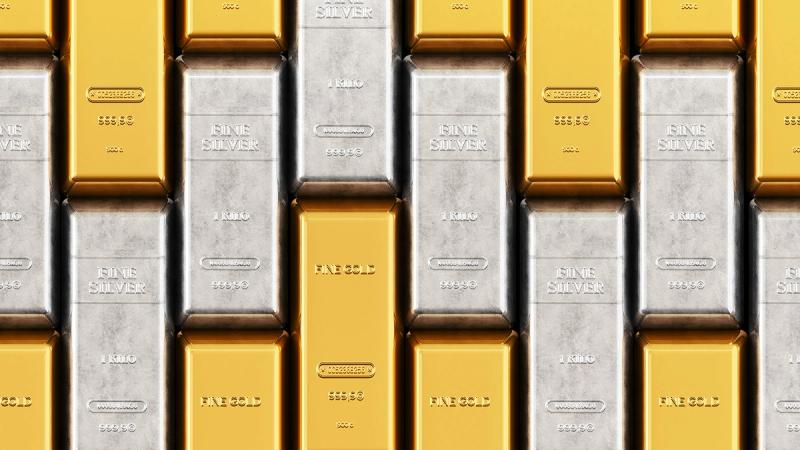
Your Guide to Investing in Precious Metals
Precious Metals Investing
If you immerse yourself in the world of investing, you’re bound to run into the theme of investing in precious metals. You’ll hear about how some invest in gold and some in silver. You’ll be able to decide on whether you want to own the physical thing or whether you want to invest in a fund that tracks the gold or silver spot price.
Regardless of how you invest in precious metals, you must first learn about what it means to invest in precious metals like gold or silver first.
For thousands of years, precious metals have been used as a form of currency, making them one of the oldest assets humans have ever been investing in or trading for goods or services. Many civilizations of the past used metals such as gold, silver, copper, and platinum to engage in private transactions, laying the foundation for modern societies to assign value to these metals. Civilizations such as ancient Egypt, Greece, Rome, and even throughout Mesopotamia, where the use of silver was highly popular.

In fact, these metals became so popular throughout the millennia that many modern societies were on something called “The Gold Standard” for a long time. The gold standard refers to a monetary system under which nearly all countries fixed the value of their currencies in terms of a specified amount of gold, or linked their currency to that of a country who did.
Then came the 1900s… There was Britain who took its country’s currency off the gold standard. Followed by the U.S. President Franklin D. Roosevelt, who started the process for the United States in 1933. Finally the system would be completely taken off the gold standard in the 1970s, when President Nixon severed the Dollars tie to the metal completely.
But what are these metals and why were they so highly coveted? Let’s take a look at some of the reasons precious metals are so valuable and are worth investing in to this day.
What Are Precious Metals?
According to Britannica, the definition of a metal is any of a class of substances characterized by high electrical and thermal conductivity as well as by malleability, ductility, and high reflectivity of light.
Gold, silver, copper, platinum are all examples of precious metals and are the most common for investors to buy or to be used as a form of currency. The value of these metals doesn’t just come from the fact that they’re pretty to look at and can be fashioned to make jewelry, they have real-world applications as well.
Gold helps NASA make space travel possible with its use in making circuit boards due to its dependability in conducting electricity. If you own electronics like cell phones, laptops, or desktop or tablets, you’re already an owner of gold. We can’t forget one of gold’s most common uses, over 75% of the newly mined gold is used in jewelry.
Silver is a dominant player in precious metals industrial applications. Out of all the elements on earth, silver is the best at conducting heat and electricity, as well as a reflector of light. It even has antimicrobial properties, which makes it valuable in the healthcare industry as well.
Some uses for silver include; making mirrors, increasing the efficacy of pharmaceuticals, in making electronics, and even purifying water for hospitals.
Platinum is used in catalytic converters, laboratory equipment and even dentistry equipment. The list of use cases for these precious metals go on and on.
These uses as currency and industrial material, coupled with their esthetic appeal that inspires their use in things like jewelry, is what give these metals their value, as opposed to a metal like iron or steel, which also have their uses. Above all, these metals are rare, which by the law of supply and demand, makes them valuable given their many uses.
This brings us to why some investors have made precious metals as a foundational part of their investment portfolios, which we will explore next.
Why Invest in Precious Metals?
Precious metals are valuable because they're scarce, useful for industrial processes, or have investment properties that make them a good store of value. In the case of its store of value, gold itself has never been worthless. Even before people discovered the rare earth metals, the value was inherent in these precious metals.
However, like anything in life, there are advantages and disadvantages to investing in precious metals. Some of the advantages are:
- Hedge Against Inflation - Countless studies have shown that precious metals, like gold can be effective inflation hedges, but only if held on to a very long period of time.
- Tangible Assets - There aren’t too many investments you can physically hold in your hand like you can with precious metals and they’re durable. Physical metals can’t be destroyed by fire, water, or even time (silver does require occasional care). Precious metals also do not need feeding, fertilizer, or maintenance, like other commodities.
- Provides Portfolio Diversification - Precious metals prices often move independent of other asset markets like stocks and bonds.
As for the disadvantages, let’s take a look at those as well:
- Taxes - What many people may not realize is that owning physical gold is taxable and the IRS actually classifies precious metals as “collectibles.” Meaning any capital gains on your physical metal investment is taxed at 28%.
- Storage - Storage is another thing when it comes to owning physical precious metals and why many opt to invest in certain funds that grant them exposure to the various types of investment-grade metals.
- Liquidity - The ability to divide your physical precious metal investments is very difficult and isn’t as easy as just buying and selling shares over an open market, like is the case with gold funds and ETFs, such as the SPDR Gold Trust GLD.
There are various reasons one can find for investing in precious metals, as well as reasons why not to over do your investing in precious metals. The key with investing in assets like gold, silver, or platinum is in your portfolio's diversity.
Should precious metals dominate the asset allocation of your portfolio? No, but diversifying at least some of your net worth in precious metals can be a pillar to a healthy portfolio, as has been the case for thousands of years.
However, what's the best way to invest in precious metals? This also depends on your personal desires and needs. Below are a few steps you can take to add precious metals to your portfolio today.
How to Invest in Precious Metals?
When it comes to the act of investing in precious metals, there are several different ways you can go about it. You can:
- Buy the physical asset, like gold or silver bullion.
- You can invest in funds and ETFs, like the iShares Silver Trust SLV ETF, that track the price of a given metal, or that package various precious metal mining companies, as well as other businesses that operate in this commodity market.
- Own stock in the various mining companies that harvest these metals.
For a simple way to add precious metals to your account right now, you can turn to Magnifi for all your portfolio analysis. Take a look at some of the searches you can run if you’re interested in adding exposure to precious metals:
References:
- “PRECIOUS METAL CURRENCIES AND THEIR USES”, February 21, 2020, uspreciousmetals.com, uspreciousmetals.com/blog/post/precious-metal-currencies-and-their-uses
- “What Is the Gold Standard? Advantages, Alternatives, and History,” April 30, 2023, investopedia.com, investopedia.com/ask/answers/09/gold-standard.asp#citation
- “Nixon Ends Convertibility of U.S. Dollars to Gold and Announces Wage/Price Controls,” November 22, 2013, federalreservehistory.org, federalreservehistory.org/essays/gold-convertibility-ends
- “Definition of metal,” April 26, 2023, britannica.com, britannica.com/science/metal-chemistry
- “What Are the Industrial Uses of Metals?,” May 24, 2022, learn.apmex.com, learn.apmex.com/learning-guide/science/what-are-the-industrial-uses-of-metals/
- “Pros and Cons of Investing in Physical Precious Metals,” goldsilver.com, goldsilver.com/blog/the-pros-and-cons-of-investing-in-physical-precious-metals/
Disclosures:
Magnifi is changing the way we shop for investments, with the world’s first semantic search engine for finance that helps users discover, compare and buy investment products such as ETFs, mutual funds and stocks. Open a Magnifi investment account today.
The information and data are as of June 21, 2023 unless otherwise noted and subject to change. This blog is sponsored by Magnifi.
This material is provided for informational purposes only and should not be construed as individualized investment advice or an offer or solicitation to buy or sell securities tailored to your needs. This information covers investment and market activity, industry, or sector trends, or other broad-based economic or market conditions and should not be construed as investment research or advice. Investors are urged to consult with their financial advisors before buying or selling any securities. Although certain information has been obtained from sources believed to be reliable, we do not guarantee its accuracy, completeness, or fairness. Past performance is no guarantee of future results. This content may not be reproduced or distributed to any person in whole or in part without the prior written consent of Magnifi. As a technology company, Magnifi provides access to tools and will be compensated for providing such access. Magnifi does not provide broker-dealer or custodial services.
Investments in commodities may have greater volatility than investments in traditional securities, particularly if the instruments involve leverage. The value of commodity-linked derivative instruments may be affected by changes in overall market movements, commodity index volatility, changes in interest rates or factors affecting a particular industry or commodity, such as drought, floods, weather, livestock disease, embargoes, tariffs and international economic, political and regulatory developments. Use of leveraged commodity-linked derivatives creates an opportunity for increased return but, at the same time, creates the possibility for greater loss.
Neither Asset Allocation nor Diversification guarantee a profit or protect against a loss in a declining market. They are methods used to help manage investment risk.
Mutual Funds and Exchange Traded Funds (ETF’s) are sold by prospectus. Please consider the investment objectives, risks, charges, and expenses carefully before investing. The prospectus, which contains this and other information about the investment company, can be obtained from the Fund Company or your financial professional. Be sure to read the prospectus carefully before deciding whether to invest.