Investing in Wearable Technology Stocks
Investing in Wearable Technology Stocks
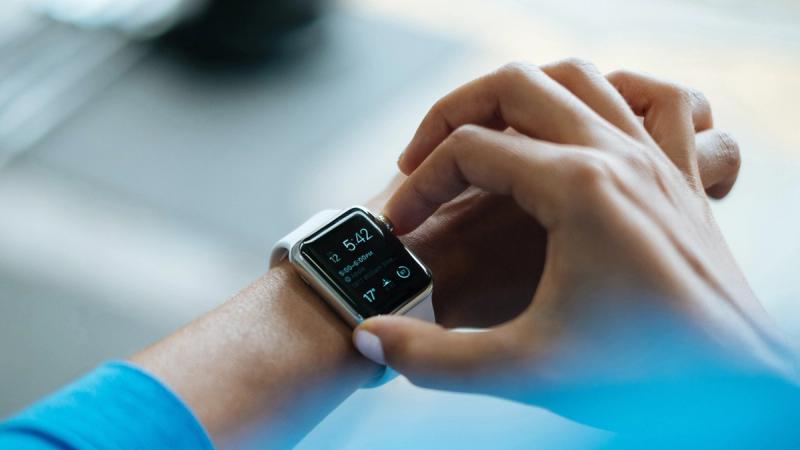
Smartwatches, fitness trackers, high-tech clothing, glasses, and more—wearables have gone from sci-fi to the new normal in which everyone checks their stats and messages with a tap. Investors tapping into this rapidly changing market can look for companies in this sector like FitBit, Apple, and Samsung to lead the way or they can search for mutual funds and ETFs with diversified exposure to this sector and investing theme.
By the end of 2022, wearables were part of almost everyone’s everyday, with total spending estimated on these products to be more than $94 billion [^1]. Apple (AAPL) kept a firm hold on the global market for different wearable technology examples, thanks to its Apple Watch Series, while Xiaomi in China held the second highest market share. Samsung, Huawei, and the boAt brand from Imagine Marketing in India were the next top businesses capturing consumers’ and businesses’ interest [^2].
But the big names aren’t the only players in a market experiencing such explosive growth. Startups jumping into the wearables space include a digital physical therapy clinic and even pet wearables, as well as discrete monitors for hospital patients and seniors.
These smaller companies’ innovations are keeping the wearables trend on track for continued growth [^3], but investing in smaller companies holds some risk. However, with a diversified portfolio in hand, growth-minded investors might find this a risk worth taking.
Applications Making a Difference to Consumers—and Investors
Wearables have zoomed way beyond simply counting steps or smart health devices and now have skyrocketed to some of the top investment ideas on the market today. An early pioneer into this technology, FitBit, launched its first device in 2009, a wireless device that clipped onto clothing. And while 2012 models linked directly to smartphones, it wasn’t until 2013 that FitBit released a wrist-worn tracker.
Now, Apple’s Apple Watch enables users to perform an electrocardiogram heart reading as wearable technology in healthcare expands. Matrix PowerWatch Series 2 can charge itself from solar power or body heat, instead of electricity. From sleep monitoring to calorie tracking and beyond, wearables are wildly popular as more and more people are opting to wear devices that collect health data and metrics and connect to one another.
The many applications of modern wearable technology showcase the many opportunities investors have to capitalize on interest, innovation, technology, and more:
-
Health and fitness monitors. Powering up fitness goals or supporting health needs is a huge segment of the wearable industry [^4]. Aside from helping people keep fit, diagnostic wearable medical devices empower patients, medical professionals, and caregivers with the capacity to remotely monitor, control, and track vital signs—from blood pressure, body temperature, and heart and respiratory rate to glucose, blood oxygen saturation, or calories burned. Smart clothing detects even more information than a ring or watch, like shirts covering large parts of the body to monitor glucose levels. And another type of wearable, called “hearables,” is on the rise too, enhancing hearing much as a hearing aid does. (And there is even an ingestible that works as a digital health feedback system.)
-
Smartwatches. Technically wearable computers, smartwatches are seamlessly connected to other IoT devices. Apple, Samsung, and FitBit dominate the smartwatch market today, offering a wide range of features, from time, health monitoring, and fitness tracking to calls and messages entertainment, and contactless payments.
-
Smart jewelry, glasses, and headsets. As wearables get smarter, they’re getting smaller, like smart jewelry that offers sophisticated monitoring and tracking for a range of applications. Smart glasses, augmented reality (AR), and virtual reality (VR) headsets can connect the users to social media and gaming, as well as healthcare applications—with advancements in AR and VR predicted to drive even more growth in the wearables industry [^5].
-
And more to come. Wearables-obsessed investors can thank advancements in artificial intelligence, the Internet of Things (IoT), cloud computing, as well as GPS for location and health tracking, among other innovative technologies for the solid growth momentum—all sectors worth watching to predict what will push the next wave of wearable technology.
Applications in consumer electronics, healthcare, industrial, and beyond—that’s not bad for a gadget that’s been around since Leonardo da Vinci developed the first pedometer!

Why Invest in Wearable Technology?
Investors interested in wearables can explore investing in the entertainment industry and companies at the forefront of telecommunications, like Apple or Samsung. They can also invest in the companies that provide the raw materials or components of these high-tech devices, which could open up emerging markets as a way to diversify a portfolio.
For investors who want to invest in healthcare, wearables can provide a wealth of use cases that foster wellness as well as growth.
Wearables perhaps hold the most promise to transform the quality of life of everyone around us. In a world dealing with obesity and other chronic health conditions, wearables have the potential to shift medicine from the intervention stage to prevention.
Lifestyle choices that influence chronic disease include tobacco use, poor nutrition, lack of physical activity, and excessive alcohol use. That’s where wearables come in. By tracking personal habits, the user is able to make changes before things get out of hand.
Remote monitoring tools have enormous potential for patients with chronic illnesses, although they remain vastly underused. Ninety-one percent of patients who use wearables identify as athletes, compared to 21% who say they have a chronic illness [^6]. Nonetheless, wearable technology is a promising tool in the fight against chronic disease.
Wearables offer a myriad of potential health solutions, from monitoring key health indicators to minimizing touch on shared surfaces. Wearables can open doors in office buildings, for example. Wearables can also monitor and flag changes in body temperature. Over time, wearables can determine trends and track performance, offering increasingly personalized feedback and training opportunities.
Increased adoption of wearable devices and market potential in medicine make wearables an interesting technology, especially in the North American region, thanks to a heightened focus on health and fitness during the pandemic and the relatively easy adoption and incorporation of wearables into everyday life.
The rise in subscription-based revenues also bodes well for investors, as consumers seek ways to stay healthier from home. Companies may promote subscriptions that foster engagement, as well as develop telemedicine potential, with add-on devices such as a connected thermometer or an otoscope that can lessen the need for in-person doctor visits.
While wearables have shown significant growth thus far, they have loads of potential, especially as it relates to increasing integration with healthcare in a world riddled with chronic disease and just emerging from a pandemic. All in all, investors are taking note: the wearable market isn’t expected to slow down anytime soon.
How Magnifi Can Help You Invest in Wearables
Wearables are an exciting new market with applications for healthcare, fitness, technology, as well as entertainment and we've only just scratched the surface of what's possible. Searching for wearable technology on Magnifi will lead you to a number of companies working in this space as well as funds with exposure to this sector.
FAQs:
What are some top wearable technology stocks?
There are a wide variety of companies that are venturing into the wearables space that interested investors can purchase shares on. To name a few, Apple, Google, Meta, Garmin, and even Snapchat are companies that have created their own smart health devices and smart clothing. However, to gain a full list of tech companies making this leap, search "Wearable Technology" on Magnifi and see what your AI investing app comes up with to get you started on this investing theme today!
What is wearable technology?
Whether we are talking about wearable technology in healthcare or smart clothing, wearable technology refers to a device that can be worn as an everyday garment. Think of a watch that not only tells the time, but also your heart rate and blood pressure. For glasses, perhaps they are glasses that can record video and audio, as well as a heads up display that is powered by augmented reality. The possibilities are somewhat endless.
Why Investing in wearable technology is the key to future growth?
Wearables are among some of the top investment ideas right now because of the new markets they are breaking into, along with people's growing dependence on technology in their daily lives. As consumers spend billions of dollars each year on these new technologies, the growth of this industry is only limited by the constraints these companies have on developing more of these devices.
What are some emerging trends in wearables?
Perhaps the biggest emerging trend in terms of wearable technology is the impact is has on our health. Wearable technology in healthcare or smart health devices now grant the consumer even more visibility into their own health. Information that used to take an appointment with your doctor to find out can now be given to you as an update on your personal device, such as a watch or smart phone.
How wearables will change the world?
Wearable are already changing the way we do healthcare, but it will also have a large impact in our daily lives. Imagine being able to surf the internet without ever needing to use your phone, and instead, being able to project an overlay of a web browser on the lens of your favorite pair of reading or sun glasses.
What are the top 5 wearable devices in wearable technology?
The wearable technology market is expected to grow exponentially over the next couple of years with smart hearables, smart watches, smart patches, smart clothing, and smart implantables topping the list of some of the most promising segments in this market consumers and investors should keep an eye on.
Ask your new AI investing assistant, Magnifi, for any other investing questions you have.
References:
- Haworth, Josh, “18 Growing Wearable Startups (2023),” December 16, 2022, ExplodingTopics.com, link
- Bajpai, Prableen, “An Overview of the Top 5 Wearables Companies,” May 25, 2022, Nasdaq.com, link
- Haworth, “18 Growing Wearable Startups (2023).”
- “Wearable Technology Market to Hit $186.14 Billion by 2030: Grand View Research, Inc.,” November 28, 2022, PR Newswire, Bloomberg, link
- “Wearable Technology Market to Hit $186.14 Billion by 2030: Grand View Research, Inc.”
- Heath, Sarah, 6 July 2020, “Wearable Adoption Must Turn Focus on Chronic Illness Populations,” Patient Engagement HIT, link
Disclosures:
Magnifi is changing the way we shop for investments, with the world’s first semantic search engine for finance that helps users discover, compare and buy investment products such as ETFs, mutual funds and stocks. Open a Magnifi investment account today.
The information and data are as of November 17, 2022 unless otherwise noted and subject to change. This blog is sponsored by Magnifi.
This material is provided for informational purposes only and should not be construed as individualized investment advice or an offer or solicitation to buy or sell securities tailored to your needs. This information covers investment and market activity, industry, or sector trends, or other broad-based economic or market conditions and should not be construed as investment research or advice. Investors are urged to consult with their financial advisors before buying or selling any securities. Although certain information has been obtained from sources believed to be reliable, we do not guarantee its accuracy, completeness, or fairness. Past performance is no guarantee of future results. This content may not be reproduced or distributed to any person in whole or in part without the prior written consent of Magnifi. As a technology company, Magnifi provides access to tools and will be compensated for providing such access. Magnifi does not provide broker-dealer or custodial services.
Investments in commodities may have greater volatility than investments in traditional securities, particularly if the instruments involve leverage. The value of commodity-linked derivative instruments may be affected by changes in overall market movements, commodity index volatility, changes in interest rates or factors affecting a particular industry or commodity, such as drought, floods, weather, livestock disease, embargoes, tariffs and international economic, political and regulatory developments. Use of leveraged commodity-linked derivatives creates an opportunity for increased return but, at the same time, creates the possibility for greater loss.
Neither Asset Allocation nor Diversification guarantee a profit or protect against a loss in a declining market. They are methods used to help manage investment risk.
Mutual Funds and Exchange Traded Funds (ETF’s) are sold by prospectus. Please consider the investment objectives, risks, charges, and expenses carefully before investing. The prospectus, which contains this and other information about the investment company, can be obtained from the Fund Company or your financial professional. Be sure to read the prospectus carefully before deciding whether to invest.