Semiconductor Stocks: Investing in the Microchip Industry
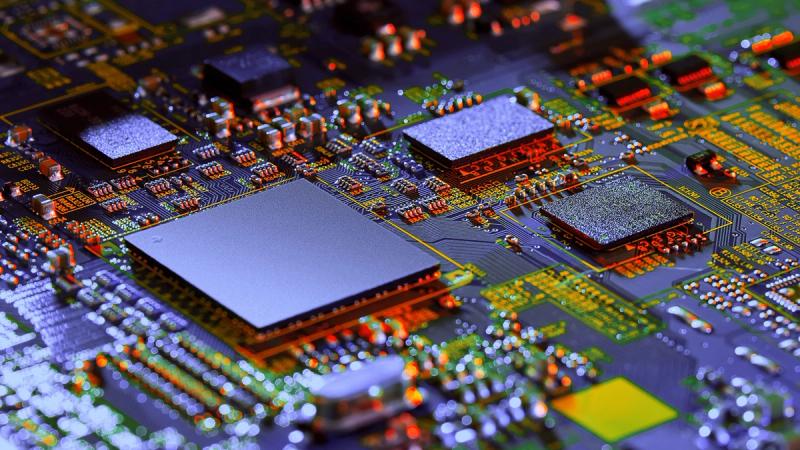
Semiconductor Stocks: Investing in the Microchip Industry
Investing in Semiconductor Stocks
Investing in semiconductors has emerged as an option for investors seeking exposure to the rapidly growing technology sector. As the backbone of modern electronics and computing devices, semiconductors play a crucial role in various industries such as smartphones, gaming consoles, automobiles, and data centers.
This increasing demand for advanced semiconductor technology can fuel the growth of companies operating in this space.
To make informed decisions about which semiconductor stocks to buy, investors may need to consider several factors such as market demand, technological advancements, and competitive landscape.
The rise of emerging technologies like artificial intelligence, the Internet of Things (IoT), 5G communication networks, and electric vehicles often translates into an increasing need for more powerful and efficient semiconductor chips.
Companies that are well-positioned to capitalize on these trends may aim to outperform their peers. Undervalued semiconductor stocks can be significantly interesting to investors who seek to identify companies trading below their intrinsic value.
While it may require extensive research and analysis to uncover undervalued opportunities within the industry accurately, some important factors to consider may include a company's financial health, operational efficiency, market share growth potential, dividend yield history, and return on invested capital.

For investors looking to gain broad exposure to the semiconductor industry without cherry-picking individual stocks, a semiconductor ETF (exchange-traded fund) might be a potential alternative investment vehicle. These funds typically track a basket of semiconductor companies from various market segments such as wafer production equipment manufacturers or memory chip producers.
In investing in such ETFs with diverse holdings across different sub-sectors within the broader industry group, investors might aim to access potential high-growth opportunities while managing stock-specific risks. Understanding how to invest in semiconductor companies can involve assessing management quality and corporate strategy effectively alongside critical financial metrics.
A successful investment approach might aim to identify firms that maintain robust balance sheets with low debt levels while also allocating resources towards research & development initiatives aimed at driving innovation in next-generation technologies.
How to Start Investing in Semiconductor Stocks
The world of investment is vast and varied, with an array of sectors that cater to different tastes, risk appetites, and financial objectives. One such sector that has been steadily capturing the attention of some investors is semiconductor stocks.
Semiconductors can be thought of as the lifeblood of modern technology, powering everything from smartphones and computers to automobiles and medical equipment.
With the relentless march of technological advancement showing no signs of slowing down, it’s unsurprising that some investors might feel interested in these markets.
To better understand the sector, investors might consult with a licensed financial expert, and may seek out resources such as a comprehensive semiconductor stocks list which could provide insights into the myriad companies operating in this space.
This type of list might encompass firms specializing in various aspects of semiconductor manufacturing – from design and fabrication to testing and packaging. Some investors might rely on such lists to identify promising companies with robust growth potential or those that they feel may be undervalued by the broader market.
A critical component when evaluating semiconductor stocks is keeping abreast of their current price points. Semiconductor stocks price fluctuations can be influenced by numerous factors such as earnings announcements, product releases, or even broader macroeconomic trends.
Consequently, monitoring these prices can be important to investors aiming to make informed decisions about when to enter or exit positions in these stocks based on their individual investment goals.
Identifying the best semiconductor stocks is no small feat, but investors may develop key factors to consider with their investment advisor. Companies boasting strong financials, innovative technologies, or products, as well as a competitive edge within their respective niches can be considered top contenders within this space.
Additionally, some investors also favor dividend-paying semiconductor firms as they provide income streams while still offering exposure to the industry's growth prospects.
Keeping tabs on current happenings related to semiconductor stocks today can prove immensely helpful for those who intend on navigating through this dynamic sector successfully. Events such as mergers & acquisitions activity or the announcement of new product lines can have a significant impact on stock prices, making it sometimes helpful for investors to stay informed.
In conclusion, investing in semiconductor stocks offers an exciting opportunity for those who wish to participate in the growth and development of cutting-edge technology.
To succeed in this domain, it's crucial to arm oneself with knowledge about the various companies operating within this space, closely monitor their stock prices, identify the best players based on a set of criteria, and stay updated on events shaping the sector today. By doing so, investors stand a better chance of reaping the rewards of this high-growth, innovative industry.
Finding Semiconductor Companies That are the Fastest Growing
The fastest-growing semiconductor companies are often responsible for producing the essential components that power various electronic devices, from smartphones to advanced driver assistance systems in vehicles.
One reason why semiconductor stocks have garnered so much interest is due to the fact that semiconductors have become an indispensable part of modern life and their applications continue to expand.
As the demand for smart devices, renewable energy solutions, and automation technologies grows, so does the need for advanced semiconductors. Additionally, innovations such as 5G connectivity and artificial intelligence require sophisticated chips which further bolsters the industry's importance.
Semiconductor stocks news often provides valuable insights into ongoing trends within the industry as well as specific company developments. Staying informed on these events is sometimes helpful for making sound investment decisions, especially given how dynamic and competitive this sector can be.
For instance, news about breakthrough technologies or strategic collaborations can significantly boost a company's prospects, whereas production issues or disappointing financial results may negatively impact its stock price.
The fastest-growing semiconductor companies are often at the forefront of technological innovations that drive our modern society. As their influence continues to expand, understanding recent semiconductor IPOs, why semiconductor stocks are up, and seeking out undervalued stocks can help investors better understand this dynamic field. Staying updated on semiconductor stocks news can also help investors stay up to date in this ever-evolving industry.
Examples of Popular Semiconductor ETFs
The semiconductor industry has seen substantial growth in recent years, partially due to advancements in technology. This surge has spurred interest in semiconductor-focused mutual funds and exchange-traded funds, vehicles that allow investors to gain exposure to this booming sector.
When considering the best semiconductor ETF, several factors can come into play—their performance, portfolio composition, risk factors, management, and fees. Some examples of semiconductor ETFs include iShares Semiconductor ETF (SOXX), and VanEck Semiconductor ETF (SMH).
Finding the best semiconductor ETF can be a difficult decision. Investors can consult with their advisors and weigh various factors such as historical performance, underlying holdings' quality, fees associated with each fund offering, and their overall investment philosophy.
In meticulously examining these parameters alongside their personal financial objectives and risk appetites —investors might aim for a chance to identify the most suitable semiconductor index fund for their portfolios.
Top Semiconductor Companies to Watch
The best semiconductor companies may vary depending on who one asks, but they’re often at the forefront of immense innovation that drives change across numerous industries. These companies have often established themselves as industry leaders by consistently delivering high-quality products and services to a global market.
As such, it can be helpful to investors looking to learn more about this dynamic market to explore the largest semiconductor companies by market cap in order to understand their influence on this vital sector.
The largest semiconductor companies by market cap often dominate headlines. These behemoths often possess formidable financial resources and cutting-edge technological capabilities that enable them to drive advancements in areas such as processor speeds, memory storage capacities, and energy efficiency.
Semiconductor issuers are responsible for designing, manufacturing, and marketing various electronic components used in an array of industries. From computers and smartphones to automobiles and medical equipment—semiconductors form the foundation for countless modern technologies. The top 100 semiconductor companies can vary depending upon which metrics one utilizes in making this list but may very well represent a diverse mix of specialized organizations hailing from different regions around the world.
The expansive ecosystem in which they operate encompasses integrated device manufacturers (IDMs) who perform all aspects of chip production in-house; fabless manufacturers who design chips but outsource fabrication; foundries that focus exclusively on manufacturing semiconductors; pure-play wafer suppliers who produce silicon wafers for chip fabrication; as well as test and assembly service providers.
The best among these top 100 semiconductor firms might contribute to advancements in novel areas like artificial intelligence (AI), machine learning (ML), 5G wireless communication technology, automotive electronics, Internet of Things (IoT), and more.
The best semiconductor companies can vary but have generally earned their status by consistently pushing the boundaries of innovation, investing in research and development, and maintaining a strong position within their respective markets. As technology continues to evolve at an unprecedented pace, these industry giants will likely play a critical role in shaping our digital future.
By examining the largest semiconductor companies by market cap, as well as other notable players in this dynamic sector, we may be able to glean valuable insights into where the industry is headed and how it might impact our lives in the years to come.
How Can Magnifi Help You Invest in the Semiconductors?
The all new AI investing assistant, Magnifi can help you sift through the countless investment options investors have available to them, even your favorite sector or industry ETFs, like those that package together the top semiconductor ETFs.
Through natural language algorithms, Magnifi will suggest a wide range of possibilities for those looking to gain exposure to whatever stocks investors think will be the best fit for their portfolio.
Try Magnifi Today
Ready to start investing? Click here to meet Magnifi today.
Disclosures:
Magnifi is changing the way we shop for investments, with the world’s first semantic search engine for finance that helps users discover, compare, and buy investment products such as ETFs, mutual funds, and stocks. Open a Magnifi investment account today.
The information and data are as of September 1, 2023, unless otherwise noted and subject to change. This blog is sponsored by Magnifi.
This material is provided for informational purposes only and should not be construed as individualized investment advice or an offer or solicitation to buy or sell securities tailored to your needs. This information covers investment and market activity, industry, or sector trends, or other broad-based economic or market conditions and should not be construed as investment research or advice. Investors are urged to consult with their financial advisors before buying or selling any securities. Although certain information has been obtained from sources believed to be reliable, we do not guarantee its accuracy, completeness, or fairness. Past performance is no guarantee of future results. This content may not be reproduced or distributed to any person in whole or in part without the prior written consent of Magnifi. As a technology company, Magnifi provides access to tools and will be compensated for providing such access. Magnifi does not provide broker-dealer or custodial services.
Mutual Funds and Exchange Traded Funds (ETF’s) are sold by prospectus. Please consider the investment objectives, risks, charges, and expenses carefully before investing. The prospectus, which contains this and other information about the investment company, can be obtained from the Fund Company or your financial professional. Be sure to read the prospectus carefully before deciding whether to invest.
Diversification does not guarantee a profit or protect against a loss in a declining market. It is a method used to help manage investment risk.