How to Invest in Urbanization
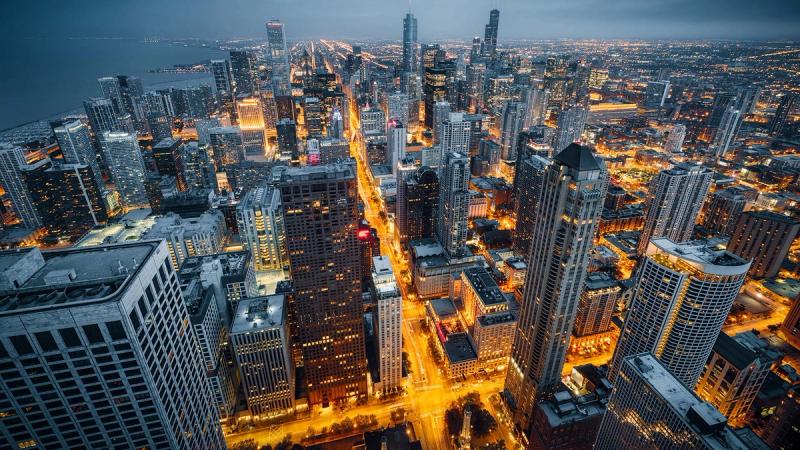
How to Invest in Urbanization
Investing in urbanization
According to the UN, three million people move to urban areas every week in developing nations (1). This is in addition to the 4.4 billion people, or 56% of the global population, that already reside in these urban areas (2). The trend of people around the world packing up their bags to move to the city isn’t expected to change anytime soon. Current projections anticipate that 60 percent of the world’s population will be living in urban areas by 2030 (3).
As more and more people have turned in their rural lifestyles in exchange for urban spaces and better opportunities, the massive number of people moving to cities has had a major impact on what the world looks like. The considerations around urbanization span everything from infrastructure (roads, utilities) to housing to economics to combating diseases.
The trend of urbanization can also be an interesting jumping off point for investing ideas. With changes happening at hyper speed, a host of opportunities for new and emerging businesses around urbanization are ripe for investment.
What is urbanization?
Urbanization is the movement of people from rural areas to cities. Now cities are getting so big we have to distinguish between a normal city and a megacity. A megacity is an urban area with a population of at least ten million people (4). In 1990 there were only 10 megacities, which were home to 7 percent of the world’s total urban population. As of 2018, there were 33, according to a 2018 white paper from Euromonitor titled Megacities: Developing Country Domination (5). The multiplication of megacities all over the globe has had major implications on the economy, the environment and how people socialize.
While increased urbanization is linked to more economic development in the form of new jobs and better productivity, it does not directly cause it: urbanization only spurs economic development in the presence of other factors including the availability of jobs, infrastructure, and public services. These are no easy check boxes to fix when you consider the pervasive challenges in emerging urban environments, including rising sea levels, old and insufficient infrastructure, emerging diseases, and the availability of housing. In other words, poor infrastructure paired with a lack of investment in emerging cities can make or break a city’s success.
What are the challenges and risks of urbanization?
According to researchers at the World Bank, “cities account for over 70% of global CO2 emissions, most of which come from industrial and motorized transport systems that use huge quantities of fossil fuels and rely on far-flung infrastructure constructed with carbon-intensive materials” (6). When it comes to the planet, economic development cannot come at the expense of environmental considerations, or everyone loses.
While China’s has been lauded for its economic development, its poor urban air quality and water pollution costs the economy 5.78% of GDP each year according to the World Bank (7). In the US, the estimate is around 5% of GDP, where the “highest costs come from early deaths, attributable to exposure to fine particulate matter” (8).
The big problems that urbanization presents are being met with big investments, from both the public sector and the private sector.
Why invest in urbanization?
Urbanization has been a trend since the early 1900s and is showing no signs of slowing down. The challenges created by having billions of people living in urban spaces will require innovative solutions. New digital and data-driven solutions should improve livability, productivity, and value, spurring further economic development. The current market for smart cities across the globe “was valued at USD 1,090.64 billion in 2021 and is expected to expand at a compound annual growth rate (CAGR) of 24.2% from 2022 to 2030” (9).
In an interview with Techcrunch, Niko Bonatsos, a managing director at the venture firm General Catalyst Partners, describes two buckets when it comes to investment and urbanization: “The first is in helping cities to run more efficiently, and this is anything that’s happening in the background that you don’t notice until it breaks down – water management, parking, safety, energy stuff. The second bucket is more consumer-facing, meaning products and services that make life better, easier, and more convenient for inhabitants of dense cities” (10).
For investors, urbanization is a catalyst for new business models across the board—from delivering public services to planning urban environments. Examples of smart solutions include e-hailing for shared vehicles, smart metering, e-government, and digital payments for real-time services. Strategy and consulting firm Frost & Sullivan identified eight areas where cities need to apply “smart” solutions: governance, energy, building, mobility, infrastructure, citizen, healthcare, technology, and citizens (11).
As the world’s population moves at an unprecedented rate, so are the solutions that are helping to make urbanization more sustainable.
How to Invest in Urbanization
In a topic as broad as urbanization – something that touches on utilities, parking, housing, climate and more – it can be difficult to pinpoint areas for investment. By searching for urbanization focused investments, you can find stocks, mutual funds and EFTs that are focused on finding solutions to the challenges posed by urbanization:
References:
- “State of the World’s Cities 2008/2009: Harmonium Cities,” UN Habitat, page 15, https://unhabitat.org/state-of-the-worlds-cities-20082009-harmonious-cities-2
- “Urban Development,” The World Bank, 6 October, 2022, https://www.worldbank.org/en/topic/urbandevelopment/overview
- Razvadauskas, Fransua Vytautas, “Megacities: Developing Country Domination,” Euromonitor International, https://go.euromonitor.com/strategy-briefing-cities-2018-megacities.html
- “What is a megacity?” Internet Geography, https://www.internetgeography.net/topics/what-is-a-megacity/
- Razvadauskas, “Megacities: Developing Country Domination.”
- Dasgupta, Susmita, Lall, Somik and Wheeler, David, “Cutting global carbon emissions: where do cities stand?” World Bank Blogs, https://blogs.worldbank.org/sustainablecities/cutting-global-carbon-emissions-where-do-cities-stand.
- Cost of pollution in China : economic estimates of physical damages (English). Washington, D.C. : World Bank Group. http://documents.worldbank.org/curated/en/782171468027560055/Cost-of-pollution-in-China-economic-estimates-of-physical-damages
- Robinson, Ellis, “How much does air pollution cost the U.S.?” Stanford Earth Matters Magazine, https://earth.stanford.edu/news/how-much-does-air-pollution-cost-us
- “Smart Cities Market Size, Share & Trends Analysis Report By Application, By Smart Governance, By Smart Utilities, By Smart Transportation, By Region, And Segment Forecasts, 2022 – 2030,” Grand View Research, https://www.grandviewresearch.com/industry-analysis/smart-cities-market
- Loizos, Connie, “Investing in the Future of Urbanization,” TechCrunch, 14 November 2016, https://techcrunch.com/2016/11/14/investing-in-the-future-of-urbanization/
- Jawad, Iain, Nalcioglu, Melih, and Vaninetti, Livio, “Smart Cities: Frost & Sullivan Value Proposition,” Frost & Sullivan, https://www.frost.com/wp-content/uploads/2019/01/SmartCities.pdf