Commodity Investing: How to Invest in Gold
Commodity Investing: How to Invest in Gold
A Guide to Investing in Gold
If you dream of finding buried treasure, you may also dream of investing in gold. Gold as an asset has its adventurous side—in the short term, the price of gold can be a roller-coaster ride, as volatile as any stock. But historically, over time, gold tends to hold its value, making it a relatively steady (and unadventurous) option for an investor who wants a “safe haven,” whether they buy gold mining stocks or ETFs that hold a diverse array of gold funds.
What to Know About Investing in Gold
The value of gold can fluctuate, as with any commodity, with supply, demand, and even how people feel about the way the world is going. Gold’s unique characteristics have long made it a useful diversification tool for investors:
- Value, Supply, and Demand - Gold has held value—culturally as well as commercially—for thousands of years, and today tech and aerospace applications are driving demand. The limited supply of gold only exacerbates the demand for it, meaning gold tends to keep its value very well, even during down markets (but not always, experts caution).
- Inflation and the US Dollar - When the US dollar is strong—meaning its value rises in comparison to other currencies—the price of gold tends to fall. When the US dollar weakens, the price of gold soars. (With a strong dollar, gold gets pricier for other currencies, and so there are fewer buyers and demand lessens. Conversely, when gold becomes cheaper for other currencies, more people buy it.)
- Gold Acts Like a Barometer - During periods of calm, there is less demand for the comfort of a tangible, valuable asset like gold, and its prices can be relatively low. But when times are tough, people rush to buy gold and prices rise.
Cleaning Up the “dirty” Side of Gold: Is it Possible to Invest in Gold Ethically?
For socially responsible investors, gold is risky in another way. Mining and refining gold take huge amounts of water, energy, and toxic chemicals. Also, gold can be mined in regions of conflict, where workers and communities could be exploited and the environment destroyed. Socially responsible investors who want to leverage this valuable commodity or invest in developing countries have options:
- Responsible Gold Standards and ESG - In 2012, the London Bullion Market Association published their responsible gold standards. Gold had to be sourced from refiners who were not connected to armed groups or human rights abuses. Since 2012, the standards have included environmental criteria. Some ETFs now include only gold processed after 2012, to fulfill environmental, social, and governance (ESG) expectations of their investors.
- Recycled Gold - Often gold bars are melted and recycled into new bars. Recycled gold is a more sustainable choice than mined metal, with less environmental impact. Nowadays, more than half the gold processed by refineries is recycled—not mined (1). However recycling gold makes tracking its origin challenging.
- Traceable Gold - Gold whose origins can be traced could come from mines or recycled gold, if the source of the recycled gold can be guaranteed.
- Gold bullion - After the mining process, gold bullion sits in vaults for years—with virtually no carbon footprint. What does that mean for investors? Investing in gold could potentially reduce the carbon emissions associated with typical investments in a portfolio. A climate-risk analysis firm analyzed the effect of introducing different gold allocations on a portfolio’s carbon emission intensity and found that just adding 10 or 20% allocation into a portfolio of 70% equities and 30% bonds reduced the carbon emissions intensity up to 17% (2).
Ultimately, each investor has to weigh the rewards and risks of investing in gold for themselves, whether they are looking for a safe haven for their nest egg or supplemental income.
 Click here for more information
Why Invest in Gold?
While gold has never been worthless, today, investing in gold is easier than ever, much easier than it used to be before the easy access to buying gold or buying gold stocks. You could go so far as to Google "buy gold near me" or "where to buy gold bars" and get a place not too far from you where you can buy (invest) in gold. One of the beauties about buying gold is that whatever you buy essentially has its own "gold stock price" if you will.
Not exactly, but you get the idea. With gold, you don't need to watch the price of a gold miners stock or even worry about a gold ETF price to keep track of your investment. You simply need to know if the price of an ounce of gold is rising or falling.
For every way there is to invest in gold, there are about as many reasons to buy it in the first place.
Long-term investors interested in gold are usually looking for “safe haven” for their money. Although typically gold doesn’t offer a big return on investment, it tends to hold its value during times of financial volatility. Investors looking to build a diverse foundation to their portfolio might relish in the fact that gold has always been worth something to someone. Today, we use gold for so much, in addition to jewelry, that the price either remains fairly stable or climbs ever so slightly as inflation rises and the strength of the dollar decreases.
The value of gold is influenced by inflation and supply—the dollar value of gold moves opposite of the dollar. This is because as the dollar gains, it requires fewer dollars to purchase the same ounce of gold. For this reason, many long-term investors allocate a small percentage of their overall investing to gold to hedge against inflation.
Near the end of 2022, gold’s value dropped. However, overall gold outperformed major asset classes such as bonds and stocks, showing resilience—and that it could still be the commodity that hedges against losses. In past US recessions, gold tends to do well in absolute and relative terms during US recessions; gold equities performed even better (3).
So looking ahead, gold’s future could be golden for investors. Better yet, with ETFs and fractional shares, investors don’t need to pay a king’s ransom to make its value work for them.
4 Ways to Invest in Gold
There are a wide variety of ways investors and traders make money investing in gold. Below we have included some of the most common ways investors can add gold to their portfolios:
- Gold ETFs - The most accessible way to invest in gold is via exchange-traded funds (ETFs) that track the gold price or shares of gold-mining or gold-refining companies. These ETFs let investors tap into the long-term stability of gold yet are a more diversified investment than owning single shares. An example of a commonly invested in gold ETF is the SPDR Gold Shares (GLD). This ETF tracks the the price of gold bullion in the over-the-counter (OTC) market, while the trust that is the sponsor of the fund holds physical gold, as well as cash.
- Gold Mining Stocks - An investment in the industry, via companies that mine for gold. As with investing in any company, there are risks that could cause the stock to underperform in comparison to the price of gold.
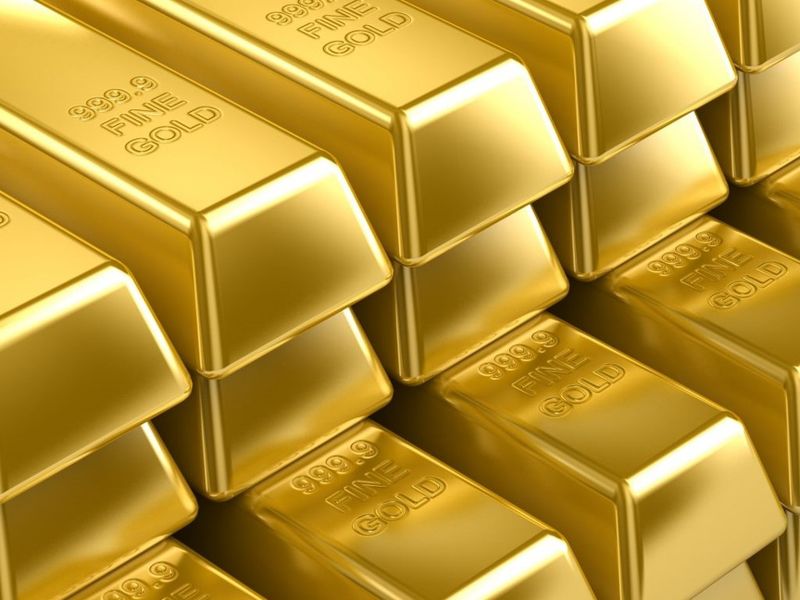
- Physical Gold - Gold bullion, in the form of coins or bars, is typically sold at a markup by the seller and come in sizes ranging from one gram (approximately 1/31 of an ounce) to 400 ounces.
- Gold Exchange-Traded Notes (ETNs) - Gold ETNs are debt instruments tied to the underlying investment of gold.
- Trading Options or Gold Future Contracts - Sophisticated investors can invest in gold by trading options and future contracts. Commodities trades use sophisticated stock trading platforms like ThinkorSwim in order to make trades of the ever fluctuating price of commodities. Quite commonly, gold.
There are many gold investment options, which is good news for investors looking to protect their portfolios from wild swings in the market.
How to Invest in Gold
Investing in gold can be much simpler than storing gold bars under lock and key. A search on Magnifi, your new AI investing assistant, shows a number of mutual funds and ETFs that give investors exposure to gold and the gold industry:
References:
- Braham, Lewis, “Gold Is a Surprisingly Green Investment. Two New Funds to Play It,” December 6, 2021, Barron’s, link
- “Gold Remains One of the Best Performing Assets of 2022,” accessed January 6, 2023, U.S. Global ETFs, link
- "What could a US recession mean for gold and gold equities?," January 25, 2023, Schroders, link
Disclosures:
Mutual Funds and Exchange Traded Funds (ETF’s) are sold by prospectus. Please consider the investment objectives, risks, charges, and expenses carefully before investing. The prospectus, which contains this and other information about the investment company, can be obtained from the Fund Company or your financial professional. Be sure to read the prospectus carefully before deciding whether to invest.
Investments in commodities may have greater volatility than investments in traditional securities, particularly if the instruments involve leverage. The value of commodity-linked derivative instruments may be affected by changes in overall market movements, commodity index volatility, changes in interest rates or factors affecting a particular industry or commodity, such as drought, floods, weather, livestock disease, embargoes, tariffs, and international economic, political, and regulatory developments. Use of leveraged commodity-linked derivatives creates an opportunity for increased return but, at the same time, creates the possibility for greater loss.
Diversification does not guarantee a profit or protect against a loss in a declining market. It is a method used to help manage investment risk.