Creating A Budget 101: How to Start Saving

Creating A Budget 101: How to Start Saving
How AI can help you invest
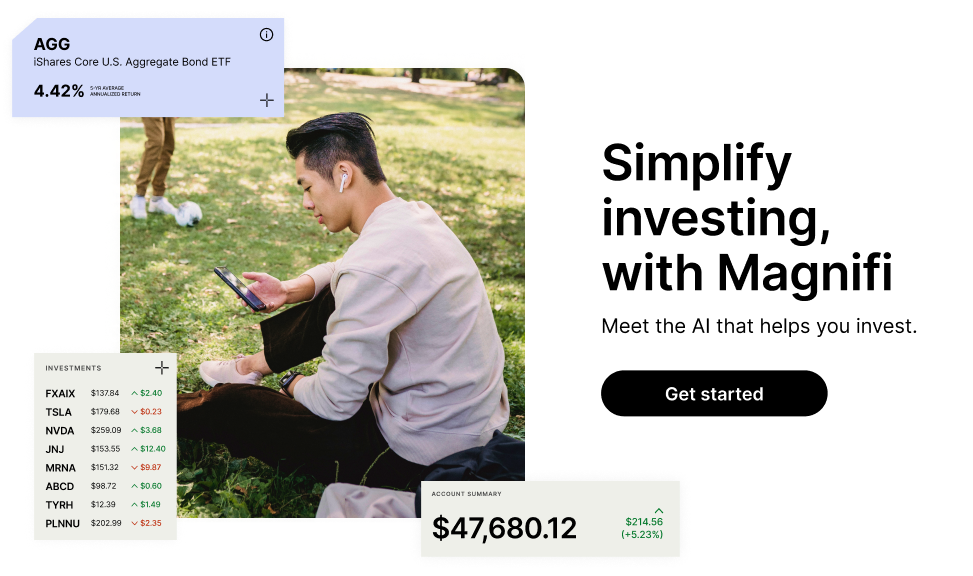
Meet Magnifi, the world’s first AI designed to help you invest. With the power of conversational AI, Magnifi is like your virtual financial advisor. Think of it like Siri or Alexa went to investing school.
Magnifi can help you quickly find, buy, and manage investments, all personalized to your unique financial goals. And if you’re just getting started, Magnifi will guide you to build a plan, understand your potential for success, and start investing in just minutes.
Creating A Budget 101: How to Start Saving
Creating a budget is an essential step toward taking control of your financial well-being and what makes the question, "how to budget money for beginners?" so important to answer. Having a budget allows individuals the ability to build an emergency fund (1), which is more necessary today. As you well know, this helps you prepare for unexpected expenses in ways that allow you to rest easy knowing you have prepared for such an expense.
Whether you are a beginner or experienced, budgeting tools can significantly assist you in managing your money effectively. Budgeting tools provide valuable insights and organization, making the process simpler and more efficient.

With Magnifi, the world's first artificial intelligence investment platform, you can combine personalized investing assistance with budgeting tools to achieve your financial goals, like saving for college. Magnifi understands that each individual has unique priorities regarding investing and budgeting.
One of the primary advantages of using budgeting tools is their ability to provide a comprehensive overview of your financial situation (2). They allow you to track income, expenses, and savings in one centralized location, enabling you to make informed financial decisions. Having a clear picture of your cash flow can identify areas where you may be overspending and make necessary adjustments to stay within your means.
Budgeting tools also offer the convenience of automation and real-time updates. By integrating bank accounts and other financial platforms, these tools can automatically categorize your transactions, saving you time and effort. This automation ensures that your budget remains current, clearly understanding your financial progress at any given moment.
In addition to providing organization and automation, budgeting tools often offer advanced features to enhance financial management. These features may include goal tracking, debt payoff calculators, investment tracking, and customizable reports. By leveraging these tools, you can set specific financial goals, track your progress, and make data-driven decisions to optimize your financial health.

How to Make a Monthly Budget
When establishing a monthly budget, it is crucial to consider your income and expenses (3). A monthly budget helps you allocate your income effectively and ensures you have enough funds to cover your expenses while saving for the future. Here are some steps to help you create a monthly budget:
- Calculate Your Income: Begin by calculating your total income, including salaries, freelance work, or any other sources of income you have. Consider an average of your earnings over several months if your income fluctuates.
- List Your Expenses: Make a comprehensive list of your monthly expenses. Start with essential expenses such as rent/mortgage, utilities, transportation, groceries, and insurance. Then, consider discretionary expenses like dining out, entertainment, and hobbies.
- Prioritize Your Expenses: Review your expense list and prioritize them based on importance. Essential expenses should be given the highest priority, followed by discretionary expenses. This will help you allocate your funds accordingly.
- Set Savings Goals: Determine how much you want to save each month and allocate a portion of your income towards savings. Save at least 20% of your income, but adjust this percentage based on your financial goals and circumstances.
- Track Your Expenses: Regularly track your expenses to ensure that you are staying within your budget. You can use budgeting apps, spreadsheets, or the budgeting features provided by Magnifi to monitor your spending and identify areas where you can make adjustments.

Various monthly budget templates are available in Excel and other formats to further simplify the budgeting process. These templates provide a structured framework for organizing your finances effectively. Additionally, budget calculators and free budget templates in Excel are valuable tools that simplify the budgeting process.
How to Use a Budget Planner
A budget planner serves as a valuable resource for managing personal finances. It helps you allocate your funds wisely and provides a comprehensive view of your financial situation. When selecting a budget planner, consider the following factors:
- Usability: Choose a budget planner that is user-friendly and intuitive. The tool should make it easy to input and track your income, expenses, and savings goals.
- Compatibility: Ensure the budget planner is compatible with your devices, such as your smartphone, tablet, or computer. This allows you to access your budget from anywhere and update it as needed.
- Features: Look for features that align with your financial goals and needs. Some budget planners offer goal tracking, debt payoff calculators, expense categorization, and customizable reports. Consider the features that will help you manage your finances effectively.
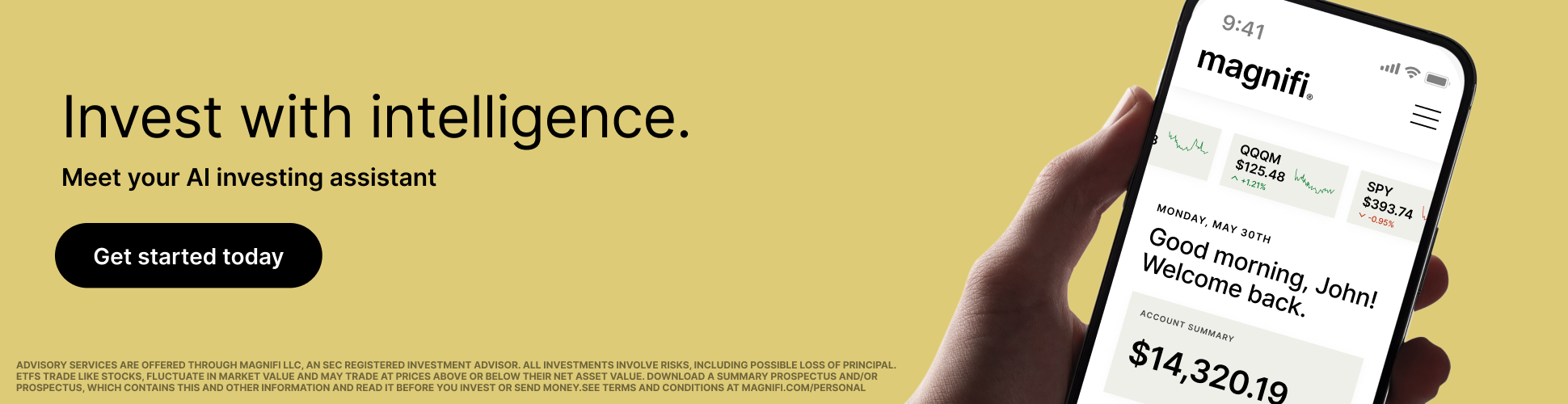
Magnifi's AI investment platform offers budget planning capabilities, such as how to start saving for a big life event like college. It provides a holistic approach to managing your finances, offering personalized guidance and insights tailored to your unique financial situation.
Another notable budget planner is EveryDollar, a user-friendly tool that empowers you to track your spending, set savings goals, and monitor your progress. It offers a simple and intuitive interface, making it suitable for both beginners and seasoned budgeters.
Basic Budgeting Tips
Budgeting is a valuable skill for individuals of all income levels because it fosters financial awareness, empowers responsible spending, and enables effective savings. Regardless of income, budgeting helps individuals prioritize their expenses, avoid debt (4), and work towards achieving their financial goals, leading to greater financial stability and peace of mind.
Here are some budgeting tips for high-income earners:
- Maximize Your Savings Potential: Allocate a significant portion of your income to investments, retirement accounts, and long-term financial goals. Take advantage of tax-efficient investment strategies and seek professional financial advice for complex financial decisions. Finding a high-yield savings account to store those budgeted dollars can also help you get more out of your savings.
- Diversify Your Investments: Spread your investments across different asset classes to minimize risk. Consider diversifying your portfolio with stocks, bonds, real estate, and other investment opportunities that align with your risk tolerance and financial objectives.
- Continuously Educate Yourself: Stay updated on investment trends and financial news. Engage in ongoing learning to make informed decisions and adapt your investment strategy as needed. Attend seminars, read books, and leverage the resources provided by Magnifi to expand your financial knowledge.
Here are some budgeting tips for low-income earners:
Tips for how to budget money on low income is much like saving and budgeting on any other income level. Here are some of those tips:
- Prioritize Essentials: Cover essential expenses such as housing, utilities, and food. Look for ways to reduce expenses, such as cooking at home, utilizing public transportation, or exploring free or low-cost entertainment options.
- Seek Community Resources: Research local programs and resources that can provide financial assistance or support during challenging times. Community centers, nonprofits, and government agencies often offer programs that can help individuals with limited income manage their finances effectively.
- Increase your income: Explore opportunities to increase your income through side gigs, freelancing, or part-time work. Consider developing new skills or leveraging your existing talents to generate additional revenue streams.
Here are some budgeting tips for middle-income earners:
- Maintain a Balanced Approach: Aim for a balanced allocation of funds, prioritizing both immediate needs and future aspirations. Set aside a portion of your income for essential expenses, savings, and investments.
- Review and Reduce Discretionary Spending: Analyze your discretionary expenses and identify areas where you can cut back without sacrificing too much. Small adjustments, such as reducing dining out or entertainment expenses, can free up savings or debt repayment funds.
- Automate Your Savings: Set up automatic transfers to a separate savings account or investment portfolio. This ensures that you consistently save a portion of your income without relying solely on willpower.
Why Is Using A Budget Beneficial?
Using a budget provides numerous benefits for your financial health and long-term goals. Here are some reasons why using a budget is beneficial:
- Financial Control and Awareness: A budget clearly defines your income, expenses, and savings. It helps you take control of your finances and empowers you to make informed decisions about where your money goes.
- Expense Management: By tracking your expenses through a budget, you become more mindful of your spending habits.
Having a personal budget is a fundamental aspect of financial management, as it provides a clear understanding of how much your budget gives you to spend on various expenses. By creating and adhering to a well-structured personal budget, you can efficiently allocate funds for your regular expenditures and also set aside savings for future goals. One of the significant advantages of having a monthly budget is that it helps you prepare for unexpected expenses that may arise. Life is unpredictable, and emergencies or unforeseen costs can occur at any time. However, with a well-planned budget, you can create a financial cushion to handle such situations without experiencing financial strain or stress.
The question may arise: "how does having a monthly budget help you achieve your money goals?" The answer lies in the fact that a monthly budget acts as a financial roadmap, guiding you towards your desired financial objectives. By tracking your income and expenses regularly, you gain insights into your spending habits and areas where you can cut back or optimize. This awareness allows you to prioritize your financial goals, such as saving for a down payment on a house, paying off debts, or building an emergency fund. Moreover, a budget empowers you to stay disciplined and focused on your money goals, ensuring that your spending aligns with your priorities and values.
To make a monthly budget in Excel, you can leverage the software's powerful features for financial planning and analysis. Start by listing all your sources of income, including salary, freelance earnings, or investment returns. Next, categorize your expenses into various segments, such as housing, transportation, groceries, entertainment, and savings. Assign specific amounts to each category based on your past spending patterns and financial goals. Excel's formula capabilities can automatically calculate totals, track balances, and visualize your budget in charts or graphs.
Review your budget regularly to monitor your financial progress and make adjustments as needed. For example, if you notice that you are spending more on non-essential items, consider reducing those expenses and allocating more funds to savings or debt repayment. Excel's flexibility allows you to modify your budget effortlessly and experiment with different scenarios to identify the most optimal financial plan.
In conclusion, a personal budget is a powerful tool that enables you to take control of your finances, prepare for unexpected expenses, and work towards achieving your money goals. By creating a monthly budget in Excel, you gain valuable insights into your financial habits, make informed decisions, and stay on track toward a secure and successful financial future. Regularly reviewing and fine-tuning your budget ensures that you adapt to changing circumstances while staying committed to your long-term objectives.
In a world where personalized financial guidance is vital, Magnifi's AI investment platform offers a powerful combination of personalized investing assistance and budgeting tools, empowering individuals to achieve their financial goals and grow their wealth. By harnessing the power of AI, individuals can embark on a journey towards financial success with greater confidence and efficiency.
Try Magnifi Today
Ready to start investing? Click here to meet Magnifi today.
References:
- “57% of Americans can’t afford a $1,000 emergency expense,” January 25, 2023, fortune.com
- “What Are the 5 Purposes of Budgeting?,” Updated May 15, 2023, investopedia.com
- “How to Make a Budget: Your Step-by-Step Guide,” May 31, 2023, ramseysolutions.com
- “6 Tips to Avoid Debt,” November 19, 2021, experian.com
Disclosures:
Magnifi is changing the way we shop for investments, with the world’s first semantic search engine for finance that helps users discover, compare, and buy investment products such as ETFs, mutual funds, and stocks. Open a Magnifi investment account today.
The information and data are as of July 25, 2023, unless otherwise noted and subject to change. This blog is sponsored by Magnifi.
This material is provided for informational purposes only and should not be construed as individualized investment advice or an offer or solicitation to buy or sell securities tailored to your needs. This information covers investment and market activity, industry, or sector trends, or other broad-based economic or market conditions and should not be construed as investment research or advice. Investors are urged to consult with their financial advisors before buying or selling any securities. Although certain information has been obtained from sources believed to be reliable, we do not guarantee its accuracy, completeness, or fairness. Past performance is no guarantee of future results. This content may not be reproduced or distributed to any person in whole or in part without the prior written consent of Magnifi. As a technology company, Magnifi provides access to tools and will be compensated for providing such access. Magnifi does not provide broker-dealer or custodial services.